When Prince William stepped into the ancient pathways of AlUla Old Town, it was more than a royal appearance—it was a symbolic moment where centuries of history met modern global leadership. Surrounded by sun-baked mudbrick walls, narrow alleyways, and the quiet echoes of generations past, the Prince’s visit placed international attention on one of Saudi Arabia’s most treasured cultural landmarks.
AlUla’s Old Town is not just a preserved site; it is a living testament to trade, faith, resilience, and architectural ingenuity. And as Prince William walked through its winding corridors, the world was reminded of the power of heritage to connect nations and generations.
A City Carved From Time
AlUla Old Town dates back more than 800 years and once served as a vital settlement along historic trade and pilgrimage routes. Positioned strategically in northwestern Saudi Arabia, AlUla was a crossroads for merchants, travelers, and scholars journeying between Arabia, the Levant, and beyond.
The tightly packed mudbrick homes—some rising two or three stories high—were built with both defense and climate in mind. Their narrow alleys provided shade from the desert sun while creating a maze-like structure that protected residents from invaders. As Prince William moved through these passageways, he experienced firsthand the ingenious urban planning of a community that thrived in one of the harshest environments on Earth.
Each doorway, courtyard, and rooftop tells a story of families who lived, traded, prayed, and celebrated here for generations.
Architectural Heritage and Restoration
Over time, AlUla Old Town was gradually abandoned as modern developments emerged. However, in recent years, a major restoration effort has sought to preserve its original character while carefully stabilizing its fragile structures.
Prince William’s visit highlighted the importance of global support for heritage conservation. Walking through restored sections of the Old Town, he observed how traditional building techniques—using mudbrick, palm trunks, and stone—have been respected and maintained.
The restoration process is not about turning AlUla into a museum frozen in time. Instead, it aims to revive the area as a cultural destination where history, art, and tourism coexist responsibly.
Cultural Diplomacy in Action
Prince William has long shown commitment to environmental sustainability and global heritage preservation. His presence in AlUla reflected a broader message: safeguarding history is a shared international responsibility.
Visits like this serve as powerful tools of cultural diplomacy. Rather than focusing solely on political or economic partnerships, they highlight mutual respect for human heritage. By exploring AlUla’s historic lanes, Prince William symbolically acknowledged the universal value of cultural memory.
Such moments strengthen ties through appreciation of art, architecture, and shared human stories.
AlUla’s Global Renaissance
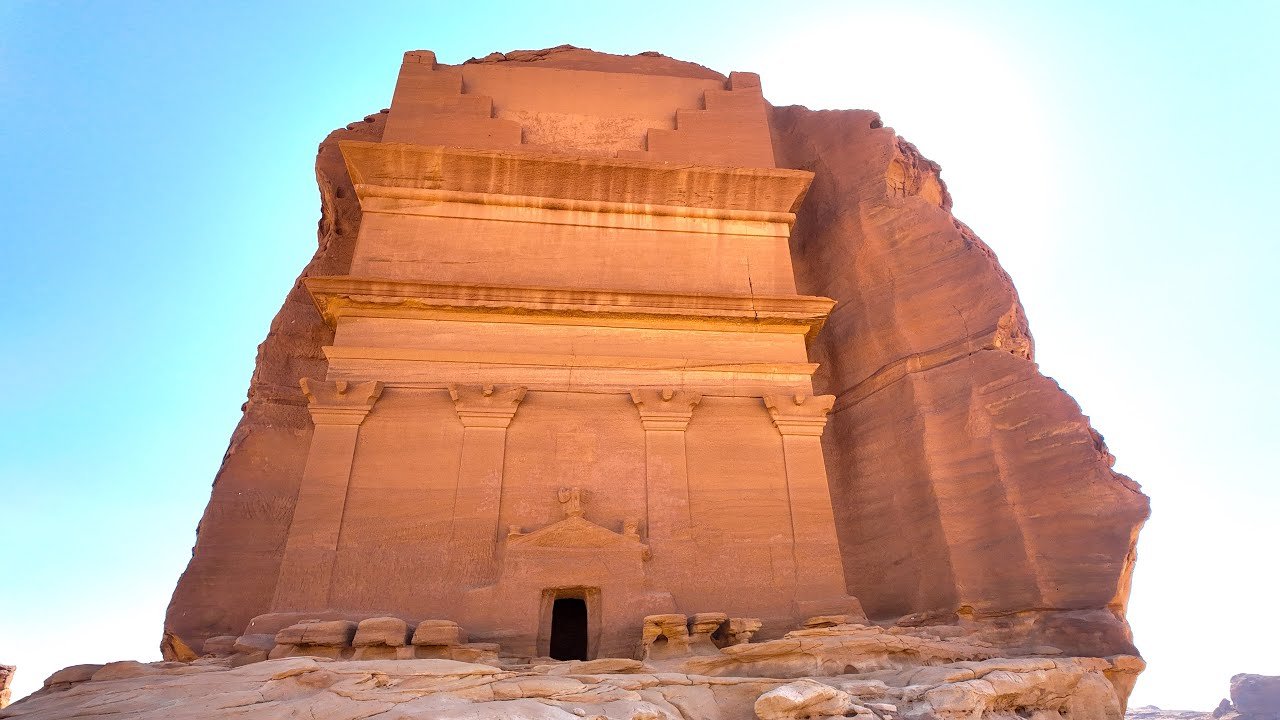
AlUla has rapidly emerged as a global cultural hub. Beyond the Old Town, the region is home to remarkable archaeological sites, including ancient rock tombs and inscriptions that span thousands of years.
The attention drawn by Prince William’s visit further elevates AlUla’s profile on the world stage. Tourism initiatives in the region emphasize sustainability, ensuring that development does not compromise authenticity.
This renaissance positions AlUla as a bridge between past and present—where ancient civilizations meet contemporary global audiences.
The Human Experience Behind the Walls
Perhaps the most powerful aspect of Prince William’s walk was its quiet humanity. The Old Town’s narrow passages encourage slow movement and reflection. There are no grand boulevards—only intimate corridors that invite contemplation.
Imagining life centuries ago—children running through alleys, merchants calling out goods, families gathering at sunset—brings emotional depth to the visit. For a royal figure to walk these same stones creates a symbolic thread linking vastly different worlds through shared human experience.
History becomes personal in such spaces.
A Message for the Future
Prince William’s journey through AlUla Old Town sends a clear message: cultural preservation is not optional—it is essential. In a rapidly modernizing world, protecting ancient communities like AlUla ensures that identity and tradition are not lost to time.
The visit underscores how heritage sites can inspire global conversations about sustainability, respect, and continuity. By shining a spotlight on AlUla, the Prince helped remind the world that progress and preservation can—and must—exist side by side.
Final Reflections
The image of Prince William walking through the sunlit alleyways of AlUla’s Old Town is both symbolic and powerful. It represents dialogue between cultures, acknowledgment of history, and hope for responsible global stewardship.
In those quiet desert corridors, the past still whispers. And through moments like this, its voice carries far beyond the walls of the Old Town—reaching audiences across continents and generations.